


 iscover
 Tax specialist exposes ‘biggest’ weakness in trust tax reform
BusinessFamilies considering the proposed fixed distribution alternative would need to “think much further ahead,” as today’s tax-efficient strategy might not suit them in the future.
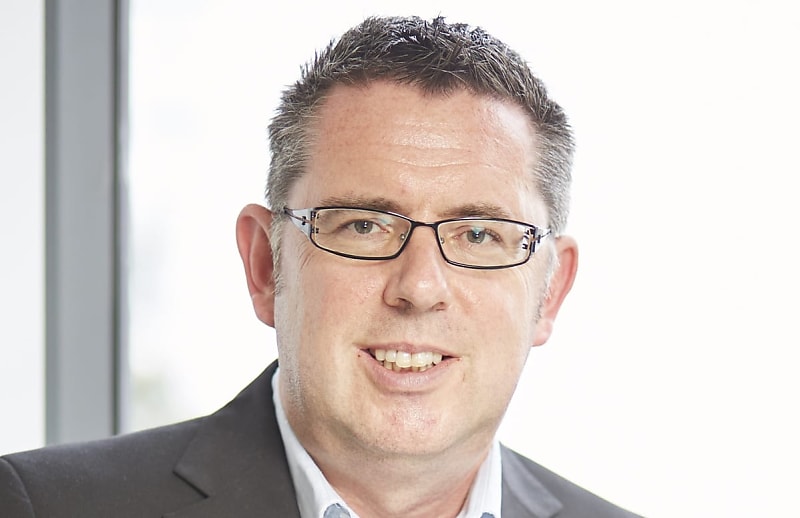
H&R Block director of tax communications Mark Chapman has criticised the government’s draft legislation to implement the core elements of its 30 per cent minimum tax on discretionary trusts for failing to consider how changing circumstances could impact a locked-in split.
“This is probably the biggest practical weakness of the fixed distribution alternative,” Chapman said.
The government has added a new option that allows a trust to be exempt from the minimum tax if it elects to make fixed distributions to pre-nominated beneficiaries as an alternative to rollover relief.
The election would not require a restructure and is not expected to trigger state and territory stamp duty, the government said in the draft legislation.
Chapman told Accountants Daily that families “need to think much further ahead” if they were to opt for a fixed distribution.
“A distribution formula that looks tax-efficient in 2028 could look completely inappropriate in 2038,” he said.
“Consider parents with three adult children. Today, one child might be at university, another working part-time, and another starting a career. Their taxable incomes could be completely different five years later.”
Under the existing discretionary model, the trustee can respond to those circumstances when deciding distributions. However, this flexibility would disappear if the proportions are locked in, Chapman argued.
“Marriage, divorce, children, death, disability, a beneficiary moving overseas, a beneficiary becoming a high-income earner or starting their own business could all change what would otherwise have been the sensible distribution strategy.”
Chapman’s concerns echo those of Make Accounting Great Again founder Joe Kaleb, who said the fixed distribution proposal lacks flexibility to change in the future if circumstances change.
Chapman also flagged multiple tax consequences that families and businesses need to understand, highlighting that the headline 30 per cent rate “is only the beginning”.
They would need to understand how the minimum tax interacts with beneficiary tax, franking credits, capital gains, corporate beneficiaries, and existing trust arrangements.
Businesses considering restructuring would also need to consider CGT, GST, state duties, and the tax attributes that move or do not move into the replacement structure.
“There is then the longer-term question of getting money out,” Chapman said.
“Moving a business into a company may produce an attractive company tax rate and make retained earnings easier to manage, but ultimately shareholders need to understand the tax consequences when profits are distributed as dividends.”
Similarly, Chapman continued, while changing to a fixed trust could preserve flow-through taxation, it could sacrifice much of the discretion that made the original structure attractive.
“So, this isn't simply a choice between "30 per cent trust tax" and "no trust tax". Each alternative has consequences that need to be modelled over several years,” he warned.
The trust tax reforms could result in substantial compliance costs for accountants, Chapman said, particularly during the transition.
He urged accountants to review trust deeds, beneficiary structures, historical distributions, corporate beneficiaries, UPEs and client objectives before advising which option is appropriate.
“Where restructuring occurs, lawyers, valuers and potentially financiers will also become involved,” Chapman said.
“Even clients who retain their existing trusts will require modelling to determine whether the minimum tax applies and how credits and distributions should be dealt with.”
On top of this, accountants could expect education costs, as they would need to explain a completely new regime to clients who may have used the same trust structure for decades.
“Ironically, a reform intended to address tax planning is likely to create a significant new tax-planning and compliance industry,” Chapman noted.
He cautioned clients against restructuring simply because the government is proposing a new trust tax.
Instead, they should first model what the new rules could mean for them, and ask several questions, Chapman said, including:
- Who currently receives distributions?
- What are their marginal tax rates?
- Does the trust operate a business or merely hold investments?
- Are there significant unrealised capital gains?
- Is a corporate beneficiary involved?
- Does it own property?
- Are there loans or unpaid present entitlements?
- What are the succession and asset protection objectives?
“For some families the 30 per cent minimum tax may make surprisingly little difference. For others it could fundamentally change the economics of the structure,” Chapman said.
“The decision then becomes whether to accept the minimum tax, make the proposed fixed-distribution election, restructure into a company or fixed trust, or adopt another strategy. The worst approach would be a wholesale rush to dismantle family trusts before the legislation is finalised.”
As such, he encouraged accountants to start reviewing affected clients but avoid restructuring them while the legislation is still being developed.
“Don’t start restructuring them just because the clock is ticking,” Chapman said.
“The sensible approach is to identify the clients most exposed, model the alternatives, and be ready to act once the final rules are known.”
 Want to see more stories from trusted news sources?
Make Accountants Daily a preferred news source on Google.
