


 iscover
‘Not fair and reasonable’: ATO questioned over how it treats those who owe tax
BusinessNoting that debt collection is one of the top priorities for the ATO, the Tax Ombudsman said the way it treats taxpayers who owe tax “isn’t fair and reasonable”.
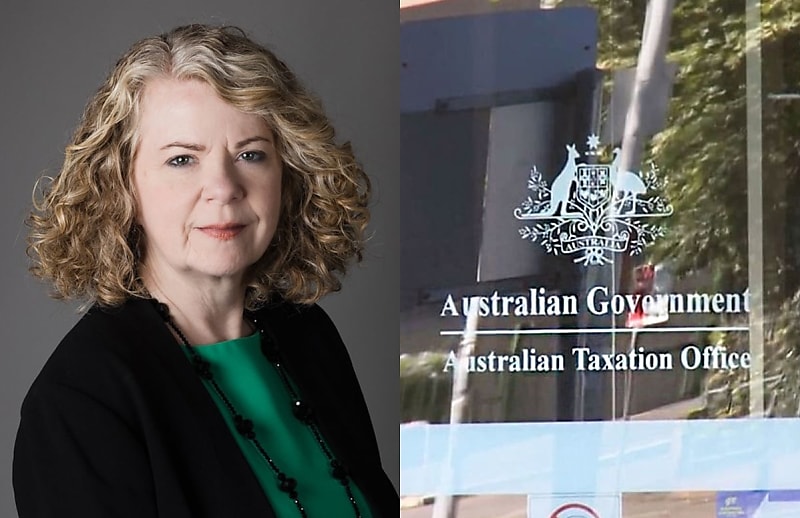
The Tax Ombudsman Ruth Owen recently released her latest complaints insights report, which revealed a sharp spike in complaints received.
“At a time when many Australians are facing financial distress, we are seeing increased complaints about how the ATO is collecting tax debt owed and how interest is applied to the debt, often making the amount due impossible to pay back,” Owen said in her report.
Speaking to Accountants Daily, Owen questioned whether the ATO is recognising the difficult economic circumstances businesses are operating in amid their debt collection endeavours and whether it is taking individual circumstances into account.
“As the Tax Ombudsman, I’m looking at whether the ATO is fair and reasonable in the way that it administers tax,” she said.
“I sometimes see that the way they treat people who are owing tax isn’t fair and reasonable. I encourage them to think about future compliance. The most important thing they can do is get people back on track so they can meet their future compliance arrangements, and then have a reasonable approach to collecting historical debt.”
The Tax Ombudsman’s report found that debt collection and payment-related matters each accounted for a fifth of complaint investigations from April to September 2026.
The proportion of debt-related complaints where the Tax Ombudsman found the ATO acted reasonably decreased by nine per cent from the same period last year at 63 per cent.
Wave of change could bring more complaints
Those findings correlate with the sentiment expressed in the inaugural ATO Sentiment Report by Accountants Daily (produced in partnership with Accountancy Insurance) about the frequency, nature, and tone of contact from the ATO both to and with clients, whom it is targeting, and how such contact is being received.
This report revealed that in the first quarter of the 2026-27 financial year, almost nine out of 10 accountants think the ATO has become somewhat or significantly more aggressive in its enforcement and compliance approach, while 70 per cent of accountants have clients who have experienced ATO contact for debt recovery.
While Owen said it is difficult to predict whether she expects to receive more complaints in the near future as the ATO ramps up debt collection, they have been on an upward trajectory over the last two years.
Owen partly attributed this rise to an increase in public awareness of the Tax Ombudsman, underscoring that it is crucial for taxpayers to be aware that there is an avenue to raise complaints about or challenge the decisions of the ATO.
Acknowledging the vital function of the tax office in collecting debt, the tax ombudsman also noted that there are significant tax reform changes potentially due to come into effect, even as accountants adapt to changes like Payday Super.
“All of this is going to impact more people, so I can foresee that there will be a range of reasons why the trends might continue over the next 12 months,” Owen said.
What the Tax Ombudsman does
Elaborating on the role of the Tax Ombudsman, Owen said that while she cannot force it to change its position, she can point to errors and argue that she found good reasons why their decisions could be changed.
“There’s an example in our report of a payment that was made to an incorrect bank account,” she said.
“It had to reach the ombudsman to highlight to the ATO that they made an error and somebody needed the payment made to the correct bank account. I can highlight where they made mistakes, and they will correct those mistakes. Sometimes I highlight where I feel like they have discretion to make a different decision. Sometimes they agree with my recommendations, and sometimes they don’t.”
Owen said she is releasing reports on the trends every six months so she can highlight the trends and “patterns of behaviour” she is seeing on a macro level to the ATO.
“Our aim is to highlight to the ATO where they can make things better systematically for taxpayers while still fulfilling their role of collecting tax that’s legally due,” Owen said.
She said she gained the greatest traction with the ATO by producing reports focused on specific issues like general interest charges.
“This is often informed by the trends I’ve seen in complaints. I made recommendations on how I thought the ATO could manage interest charges differently that would get a good outcome for the taxpayers and for revenue collection,” she said.
“On that report, they agreed to all my recommendations, and I’m sitting down with them and looking at how they’re going to implement them. That brings change to the system, but it also brings relief to taxpayers.”
Get on the front foot
As for how accountants could help clients who are subject to debt collection by the ATO, Owen suggested early engagement with the tax office and avoiding being caught out by surprise.
Then, she continued, the accountant should be clear with the ATO on what the client’s circumstances are, and what they are able to pay.
“There’s no point putting forward a request for a release of tax debt where we know that ATO doesn’t have legislative power to release superannuation guarantee charges, for example,” she said.
“Be really clear on what you can ask of the ATO, what discretion it has, and then put forward your arguments on behalf of your client in the context of what that means for the business.”
 Want to see more stories from trusted news sources?
Make Accountants Daily a preferred news source on Google.
