


 iscover
 Aussie SMEs full of ambition, confidence, and optimism, but lacking critical advice
BusinessAn increasing ‘advice gap’, particularly for regional businesses, could have flow-on economic consequences, new research has suggested.
A national survey of owners and senior decision makers from Findex found that access to professional advice - a powerful and often decisive enabler of development- is falling short, and threatening to slow the growth engine of Australia’s economy.
In saying this, optimism polled high, with 72 per cent reporting a sense of positivity about their growth prospects over the next 12 months, including almost a third who reported their business was in a very strong position for potential growth.
And it’s not all talk: 86 per cent of surveyed SMEs reported specific growth goals, with almost half citing increasing revenue and more than a third targeting improved operational efficiency.
For almost 80 per cent of surveyed business owners, however, barriers to growth are harder than ever to contend with, most commonly fuelled by rising cost pressures, a lack of time or internal capacity, and regulatory burdens.
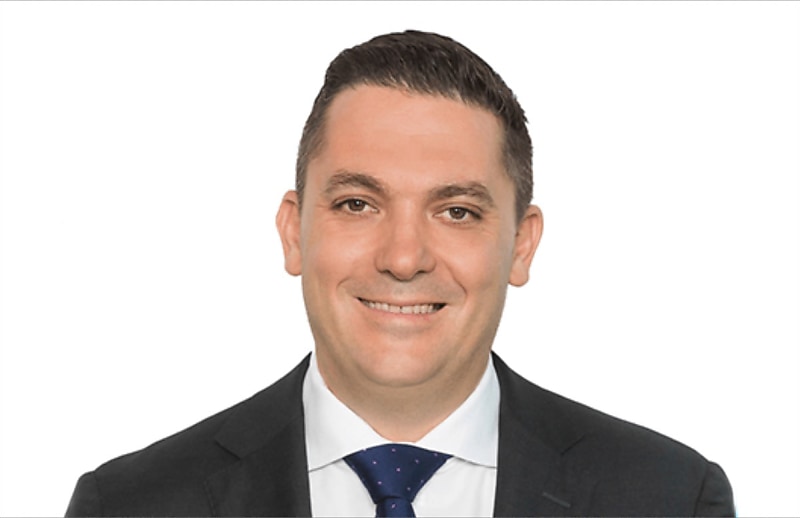
Findex co-CEO Matt Games said: “Australia’s SMEs have ambition in abundance but ambition alone isn’t enough.”
He added: “Right now, too many business owners are hustling hard but flying blind without the strategic guidance required to turn opportunity into sustainable growth.”
Access to professional advice, the potential answer to the aforementioned struggles of an SME owner, is not always where it is needed.
According to the research, around 85 per cent feel they don’t have access to all the professional or support services they need, while 64 per cent feel their current accountant or adviser doesn’t exhibit all the required skills.
More than a third do not believe that business growth has resulted from working with an adviser.
“Without access to holistic, skilled advisory support, ambitious business owners risk being left behind by businesses that can move faster, plan smarter and respond more confidently to change, especially in the current global market,” Games said.
“Our findings define a gap between compliance and confidence.”
“Small business owners need advisors who can help translate numbers into strategy, using insights, forecasting and industry knowledge to turn financial data into decisive growth moves.”
Despite housing 31 per cent of Australia’s 2.5 million SMEs, regional areas are feeling the advice gap strongest, reporting disproportionately higher barriers to growth than their metro counterparts.
Almost 80 per cent of SME owners and SDMs agreed that regional and rural businesses have a harder time growing, and 69 per cent agreed that it is harder to find top-tier, industry-leading, and specific financial advice.
Geographic isolation, combined with limited access to trusted advisers with the necessary skills to translate numbers into strategy, seemingly explained the strong divide.
Beyond stalling growth, the regional advice divide is also necessitating costly and stressful decision making for SME owners, with 45 per cent either avoiding decisions or making wrong business moves due to not knowing where to seek help.
In addition, 90 per cent of all surveyed SME owners reported using advisers for compliance or administration rather than growth or strategy, suggesting that the role of a modern adviser should be holistic and growth-focussed, rather than, according to Games, “yesterday’s compliance-only model.”
Findex research points to the need for deep trust and accessible guidance when choosing an adviser, with strategic advisory skills, industry-specific insights and financial forecasting topping the 'wish-list.’
And while the regional divide will not be solved overnight, meeting SMEs in the theoretical middle will address the fundamental mismatch between what they need and what firms are set up to deliver, according to Games.
“For a sector that contributes around a third of Australia’s GDP, unlocking that potential is not a ‘nice to have’, it is mission-critical.”
 Want to see more stories from trusted news sources?
Make Accountants Daily a preferred news source on Google.
