


 iscover
The ‘sleeper’ FBT liability overshadowed by changes to CGT and negative gearing
TaxHidden beneath the layers of proposed reform in Tax Bill No. 1, which introduced the removal of the 50 per cent CGT discount and negative gearing changes, one FBT liability has been brought to light by a practitioner.
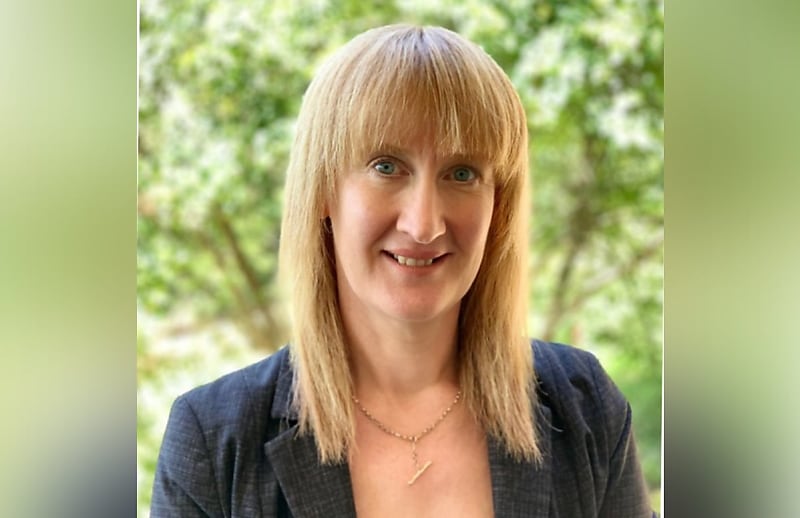
From 1 April 2027, employees will no longer be able to use the “otherwise deductible” rule for salary sacrificed work-related expense payment fringe benefits covered by the standard deduction to reduce their fringe benefits tax (FBT) liability, with employers risking FBT liabilities if their employees trip the tax.
This “sleeper” change in Treasury Laws Amendment Tax Reform No.1 Bill 2026 was uncovered by an accountant who noted that it was buried in other significant changes, including the removal of the 50 per cent CGT discount and negative gearing changes.
Speaking with Accountants Daily, head of education at Accurium and TaxBanter Lee-Ann Hayes (pictured) stressed that employers risk copping FBT for non-arm’s-length employers.
“For arm’s-length employees, it’s impacting them because the employee is not going to bear the cost of the FBT anyway, so if they don’t get the exemption, they’ll be taking it out of the salary package anyway, so the employees just won’t do it; they might as well just do it in their own name, other than maybe a bit of GST saving,” Hayes said.
“For the non-arm’s-length, employers… that will then be the impost on the business itself because you’ll have an FBT liability on top of provision of the benefit as well.”
“The FBT liabilities are at the top marginal rate of tax. It can add up particularly if you’ve got quite a number of employees that are allowed to salary-sacrifice these types of things.”
Hayes said that this change will cause concern and surprise to small businesses and accountants, and will come as just another thing to think about along with the raft of tax legislation announced at the 2026 federal budget.
“I did not see this coming at all… it absolutely was a sleeper in this bill,” Hayes added.
While salary sacrificed benefits will no longer be eligible for the “deductible rule”, the rule can still be used to reduce FBT liabilities for expense payment fringe benefits that are either not covered by the standard deduction or covered by the deduction but are not covered under the salary sacrifice arrangement.
The ATO published a list of work-related items no longer exempt from FBT when provided through salary-sacrificed arrangements. These include: mobile phones, laptop and tablet computers, portable printers, calculators, portable global positioning system (GPS) navigation receivers, computer software, protective clothing, briefcases, and tools of trade.
Doubling down on double deductions
Hayes said that this change may have been put in place to crack down on double deductions.
“The theory behind it is the fact that you get this standard deduction, so you’re already getting that covered, so you shouldn’t get the double dip or the extra benefit of being able to put it into your salary package,” Hayes told the brand.
“That logic doesn’t really hold up, because there’s not a double deduction, because I’m not getting it as part of my $1,000 standard deduction, because my deductions are more than that, I’m substantiating at all. If it’s going into my salary package, then I’m not getting the double dip. That this measure is trying to prevent”
Hayes stressed that these changes only apply to expense payment fringe benefits or the provision of those work-related items.
“It’s only expense payment fringe benefits of amounts that would be covered by the standard deduction, and only we’re reducing them to the extent of the otherwise deductible rule, or those work-related items,” she said.
“Eligible work-related items will remain exempt from FBT when they aren’t provided under a salary sacrifice arrangement,” the ATO said on its website.
Hayes noted that this will move employees away from claiming salary sacrificed benefits.
“If it is one of those items that is covered by the standard deduction, [employees will] just put it in their own name, they’ll incur the expense themselves, and then they’ll get the benefit of a deduction, but that’s at their marginal rate of tax,” Lee said.
“If it is not covered by the standard deduction – so that would be something like a professional association membership – then they can still salary sacrifice; those [benefits are] still going to be exempt from FBT – that they’re not covered by this, there’s other provisions that actually exempt those benefits, so that’s where the employees will stay.”
“Now, you’re not going to do that; you’ll have to move it to your own name, and you’ll just have to claim deductions. It will change where you’re recognising those things in your own return; you won’t get the input tax credits back that the employer might have passed on to you as well, so it just won’t be as tax effective.”
However, Hayes noted that as part of the changes, employees can now continue to receive the exemption for multiple work-related items within the same function in an FBT year if they were not provided through salary sacrifice arrangements.
“This removes the current limit of one exempt item per employee, per FBT year. It also extends the exemption to all employers, not just small businesses,” the ATO said.
“What that does help is if I have a laptop provided to me by my employer, not as part of a salary package, and then I get an iPad in the same FBT year, it might have substantially the same function, but we don’t need to worry about the second one not being exempt, because that rule’s being removed.”
 Want to see more stories from trusted news sources?
Make Accountants Daily a preferred news source on Google.
