


 iscover
 First Nations taxpayers invited to shape ATO review
TaxFirst Nations taxpayers suffer from insufficient access to services and support to guide them through the tax system, with the Tax Ombudsman opening its review for consultation.
The Tax Ombudsman is looking to address the ATO’s gap in its obligations under the Closing the Gap National Agreement (Closing the Gap) Priority Reform 3, Transforming Government Organisations, through its review of ATO engagement with First Nations taxpayers, which is currently open for submissions.
The review by the Tax Ombudsman will be supported by First Nations consultants Jindawayni, an Aboriginal-owned business.
Accountants Daily spoke with the consultancy firm’s owner, Kokatha woman Amy Rust, who said that First Nations taxpayers face challenges including accessibility requirements and proving identity.
“Aboriginal people were moved around or may not necessarily have the same phone number that they had the last time they engaged with the ATO,” Rust said.
In addition, Rust said some Indigenous people have relied on financial counsellors to do most of their tax affairs.
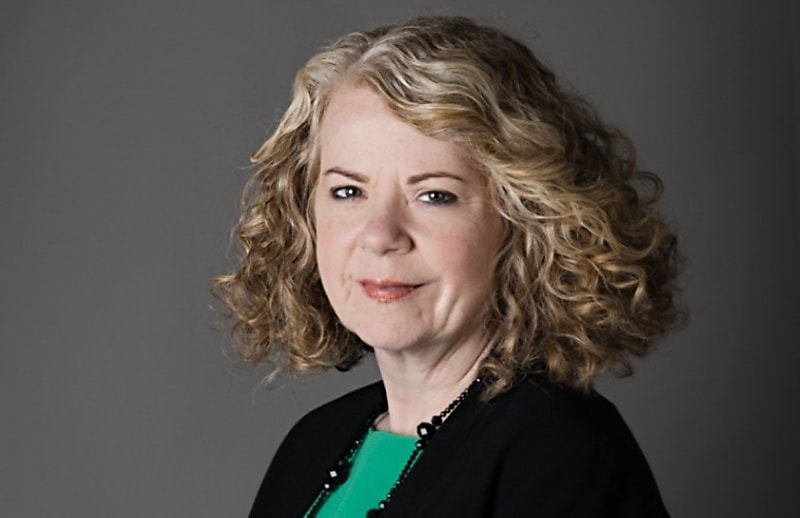
In a statement, Tax Ombudsman Ruth Owen (pictured) said that there are instances in which predatory tax advisers may take advantage of Indigenous taxpayers.
Rust added that the ATO’s Indigenous Helpline service is not proving fully effective.
“If they've got the resources [for the hotline] available, maybe it's not being shared with the community in a way that they're actually receiving it,” Rust said.
Owen said the review will also explore the efficacy of the Helpline, which she said may have been redirecting to the general ATO helpline when the call centre capacity overflows.
“We want to understand … people's experience, and how [if] the ATO [is providing] the right training and support to people that answer those calls, that's a really critical part of the review.”
Accounting Times asked the ATO about the Helpline's usage and the effectiveness of the Helpline's advertising, to which it did not respond. Despite this, in a statement provided to the masthead, the ATO said: "The Indigenous helpline forms part of the ATO's broader commitment to providing tailored support and improving access to ATO services for First Nations peoples."
"Staff supporting the service receive training to assist First Nations taxpayers and provide guidance across a range of tax and superannuation matters, including tax file number, lodgment obligation and superannuation enquiries," the ATO spokesperson added.
While we are currently seeing the first or second generation of First Nations owners open up businesses, Rust noted that understanding BAS and the tax system is very new for some Indigenous people.
She said that the ATO must “… bring it back to basics. Don't assume that, necessarily, a person in an Indigenous school business has the same level of [tax] knowledge as others”.
Indigenous taxpayers face unique challenges when engaging with the tax system and the ATO, Owen said.
Owen said she has received anecdotal feedback about the different types of organisations trying to fill the gap, provide guidance, and educate First Nations people and businesses about their tax obligations.
“I've met some financial counsellors who are doing major road trips to go out to remote communities, but it's not structured in any way that we're clear about who has been served and who still needs additional support.”
Speaking with the Accountants Daily, the ATO said: "We regularly engage with communities, representative organisations and service providers to better understand taxpayer experiences, identify barriers to engagement and inform service improvements. This feedback helps shape our services, products, guidance and staff capability to better meet the needs of First Nations peoples."
The review will delve deeper into the community’s needs and what has been done; Owen said she is leading it to be as inclusive, culturally safe, and appropriate as possible.
Amid potential gaps in kinship understanding within the ATO, Owen said that First Nations taxpayers’ access to super is another issue the review will address.
“We've had a number of representations of people saying that they are unable to access relative super, that the ATO was quite strict on who it will share information on; that's the particular issue around kinship.”
“Aboriginal communities in particular have a much broader sense of who's in the kinship group that the ATO doesn't recognise in terms of its rules on who to disclose information to, and who it will recognise as next of kin. So those gaps between what the ATO does and what the community needs is something that will be trying to see if there's a way through.”
When asked what sort of information she is seeking through submissions to the consultation, Owen told Accountants Daily she is seeking broad input.
“We're looking to everybody to make their contribution … I want everybody across Australia to give us their insights, their experience and their views on how we think we can encourage the ATO to provide appropriate services to [First Nations] people.
“So whether you're First Nations or not, I think we should recognise it's really important that everybody who has to pay tax has a way in which they can engage with the Tax Office that helps them understand obligations and helps them pay the tax.”
While it fell short with reform 3 of Closing the Gap, the tax office spokesperson said: "The ATO is committed to transforming our organisation in line with the National Agreement on Closing the Gap, using our Reconciliation Action Plan as a blueprint to further embed reconciliation into our day-to-day work."
"We welcome the Tax Ombudsman's review into ATO engagement with First Nations peoples and look forward to working collaboratively throughout the review process ... The review provides an opportunity to better understand community experiences and identify ways we can continue to improve our services and engagement," the ATO spokesperson said.
"The ATO recognises the important role that external scrutineers play in improving the administration of the tax and superannuation systems ... The ATO is committed to improving how we engage with and support First Nations peoples," the ATO concluded.
The consultation is open for submissions until 4 September.
Editor's note: This story has been updated to include commentary from the Australian Taxation Office.
 Want to see more stories from trusted news sources?
Make Accountants Daily a preferred news source on Google.
