


 iscover
 ATO shifts penalty remission requests online to improve consistency
TaxFrom early next year, the ATO will require tax agents to lodge penalty remission requests online in a bid to improve consistency in remission decisions.
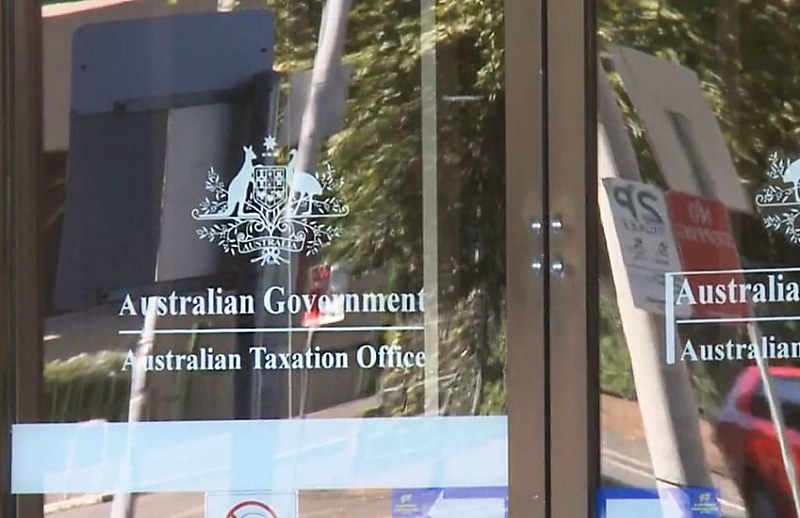
From 22 January 2026, tax agents will be required to lodge penalty remission requests via the ATO website, instead of over the phone. The Tax Office said this was an interim measure to address “irritants” in the current remission process after tax agents complained the current system delivered inconsistent, unpredictable outcomes.
Under the interim system, requests for remissions of general interest charge (GIC), shortfall interest charge (SIC) and failure to lodge (FTL) penalties would be lodged through the ATO’s online services for agents.
The ATO said that remission requests would be reviewed by a “dedicated team” to ensure greater consistency in decision-making. It also said it would provide agents with greater clarity on the circumstances where they would likely accept or decline a remission request.
As previously reported by Accountants Daily, tax agents have expressed frustration with the ATO’s phone line service, including its inconsistent approach to penalty remissions.
Tax agent Kevin San recalled his experience where a client landed a $9,000 FTL penalty for a dormant business, and the ATO knocked back his remission request. He said he was shocked, as it was the sort of case that typically would have been a ‘slam dunk.’
“The thing that brought fairness into the system was that you could always call the ATO, explain the situation, and for [a small business] that might not have any tax to pay at all, they would reverse the penalties. That made the outcome fair,” he said.
He added that the ATO’s current tax agent phone staff appeared to lack expertise and had been largely unhelpful in resolving conflicts and queries.
“Very often nowadays, you end up with queries where the [ATO phone agent] goes, ‘I'm not really sure what I'm supposed to do here. I agree with you, it's wrong, but I'm not sure how to resolve the problem,” he said.
“I get a feeling that a lot of the staff that you deal with are actually different now from the ones that you dealt with a few years ago. Their attitudes are completely different, their experience is definitely completely different.”
This lined up with findings made by Tax Ombudsman Ruth Owen, who identified a significant amount of dissatisfaction amongst tax agents’ experiences with the ATO, including the agent phone line.
“I have been overwhelmed by the strong feedback from tax agents in this review. Agents are reporting an increasingly poor experience with the ATO’s agent phone line over the last two years, citing inconsistent advice and a lack of suitably skilled staff. This is contributing to a general feeling of not being valued by the ATO,” she said.
The Community and Public Sector Union (CPSU) has also said that the ATO’s use of private contractors to man its phone lines has led to a deterioration of service quality. The Tax Ombudsman found external contractors answered over 85 per cent of agents’ calls to the ATO, and only 44 per cent of contractors had a tenure exceeding 12 months.
“The vast majority of agent calls are taken by external contractors, around half of whom have less than 12 months of experience and who may not have had the depth of experience and knowledge to handle agents’ calls,” Owen said.
The ATO said that its shift to reviewing GIC, SIC and FTL penalties with a dedicated team was a preliminary step to addressing issues raised with their taxpayer relief provisions.
“This is the first step to improving our processes. We know there are more opportunities for improvement, and you’ll hear more about these as our broader review of taxpayer relief provisions progresses,” it said.
 Want to see more stories from trusted news sources?
Make Accountants Daily a preferred news source on Google.
