


 iscover
 Retiree income from super almost tripled since 2002
SuperAustralia’s compulsory superannuation continues to democratise wealth-building, diversify portfolios, and ease conditions for the average Australian, research has shown.
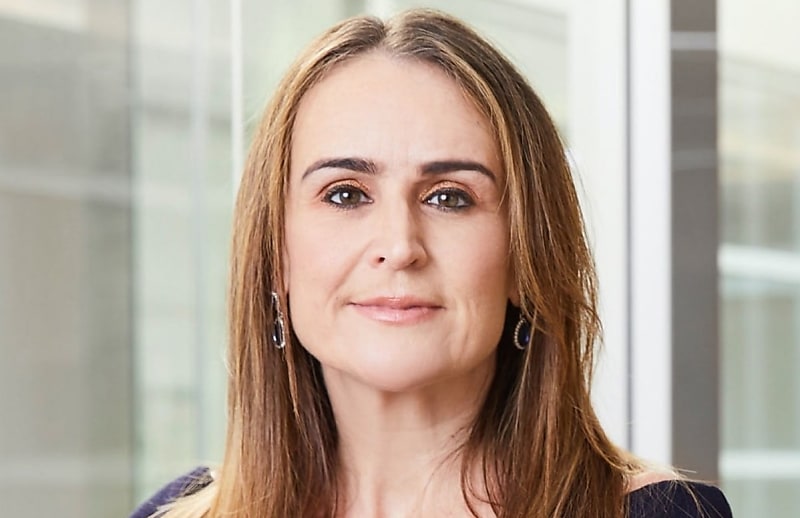
According to a new report by the Super Members Council (SMC), recent retiree wealth levels have increased by 196 per cent, thanks to the super system within Australia. Over the last two decades, this means middle Australians have become more than $256,000 better off in retirement.
Weekly income from super has also risen by more than 100 per cent, with the average and wage-adjusted income for middle wealth retirees rising from $340 in 2002 to $740 in 2022.
This benefits more than the individual: higher levels of super come with better living standards, stronger financial security, greater overall prosperity, and less pressure on government budgets.
It is a reminder of how Australia’s super system was built to withstand short-term market changes, including the Global Financial Crisis, the COVID-19 pandemic, and recent volatility stemming from the conflict in the Middle East.
The report acknowledged that, despite sluggish real wage growth in recent years, capital growth through super has contributed to Australians’ wealth-building capabilities. From 1996 to 2025, super net returns in profit-to-member funds were twice as high as wage growth, easing cost-of-living pressures for retirees.
Super has also allowed everyday Australians to share in the income generated by companies in assets they would otherwise not have access to.
This also applied to unlisted assets such as infrastructure, property and private markets, which acted as a stabilising force to the economy. Overall, this paved the way for stronger long-term returns and diversification for members.
According to the SMC, industry funds are able to deliver the level of return due to investing at scale with a long-term horizon and keeping costs and fees lower; a 30-year-old earning the median wage today would retire with a super balance more than $90,000 higher than if their super had been managed by a retail or for-profit fund.
SMC CEO Misha Schubert said: “Thanks to the creation of super three decades ago, millions of everyday Australians now own a direct profit-share in the nation’s economic growth for the first time.”
It is no surprise, then, that the profit-to-member system has grown into one of the biggest super pools in the world, with over 12 million Australians as members and over $1.9 trillion in savings.
Schubert continued: “Those super savings owned by millions of everyday Australians are now one of Australia’s most important economic institutions - lifting retirement incomes for retirees, reducing pressure on budgets, and supporting long-term growth and stability across the economy.”
“With more Australians relying on super than ever before, keeping the policy settings strong and secure is critical - because the future incomes of everyday Australians depend on it.”
 Want to see more stories from trusted news sources?
Make Accountants Daily a preferred news source on Google.
