


 iscover
 Complaints to Tax Ombudsman surge ahead of tax time
RegulationA complaints data snapshot released by the ombudsman reveals a sharp rise in complaints in recent months, with debt issues emerging as the biggest concern for taxpayers.
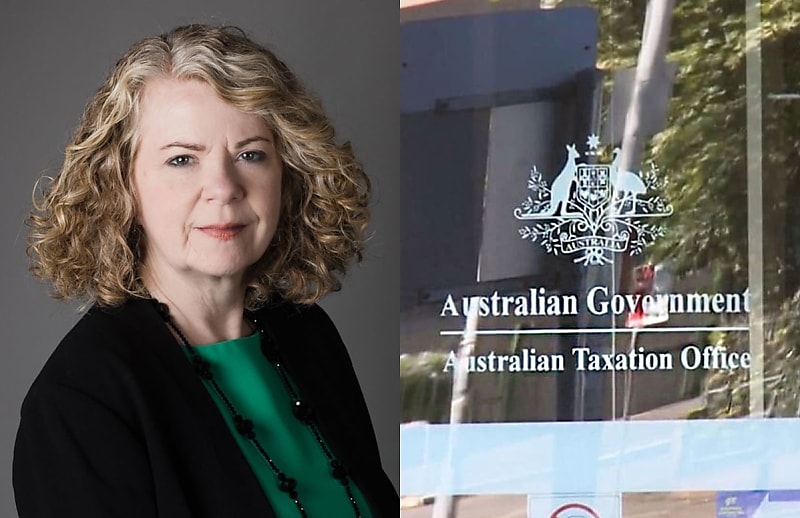
Tax Ombudsman Ruth Owen stated that complaints have increased this year, predominantly driven by growing concerns regarding debt collection, penalties, and tax debt payments as the ATO ramps up recovery efforts.
“This can largely be attributed to the Australian Tax Office’s increased focus on debt collection but also our efforts to raise community awareness of our service and how we can help taxpayers receive fair outcomes,” Owen said.
Owen said the complaints snapshot was created to share key complaint trends with the community and highlight the important work her agency is undertaking to help taxpayers resolve tax and superannuation complaints.
“Our data helps us to identify pain points in the tax system and determine matters that may warrant our further investigation,” Owen said.
Out of the 2,989 complaints received FYTD, the top areas of focus were debt collection (23 per cent), payments (16 per cent), and penalties & interest (15 per cent).
Regarding debt collection, the snapshot uncovered that the causes of debt collection complaints came down to issues such as communication, legal limitations, delayed action, and the overall process.
Owen highlighted that her agency was focused on helping people resolve complex tax and super complaints, as well as improving the fairness and integrity of Australia’s tax and superannuation systems for all Australians.
Owen said: “In 31 per cent of complaints about penalties and interest, we helped to achieve tax debt reductions or remittance (removal) of interest for our customers.
“How the ATO manages interest charges was the subject of a recent review we published, where we recommended improvements in how the ATO considers removing interest charges where taxpayers are trying to pay their debts.”
Owen said that several taxpayers just wanted reassurance that the ATO had handled their matter fairly, even if they did not receive a positive outcome.
“Our data shows that giving customers reassurance about the way the ATO handled their matter can be just as important as receiving a positive outcome,” she indicated.
“In 22 per cent of penalties and interest complaints, we provided customers with an independent review and assurance that proper process had been followed.”
Monitoring the complaint data has ultimately helped the ombudsman identify emerging issues and drive improvements across the tax system.
“By tracking our data closely, we can predict trends, anticipate problem areas, and push for change. The more we utilise our data, the more people we can help and ensure a fairer tax system for all,” she said.
 Want to see more stories from trusted news sources?
Make Accountants Daily a preferred news source on Google.