


 iscover
 Contingency fee arrangements attracting ATO scrutiny, practitioners warned
RegulationThe Tax Office has said that the use of contingency fees by tax professionals can be a warning sign for high-risk refund claims and aggressive tax planning.
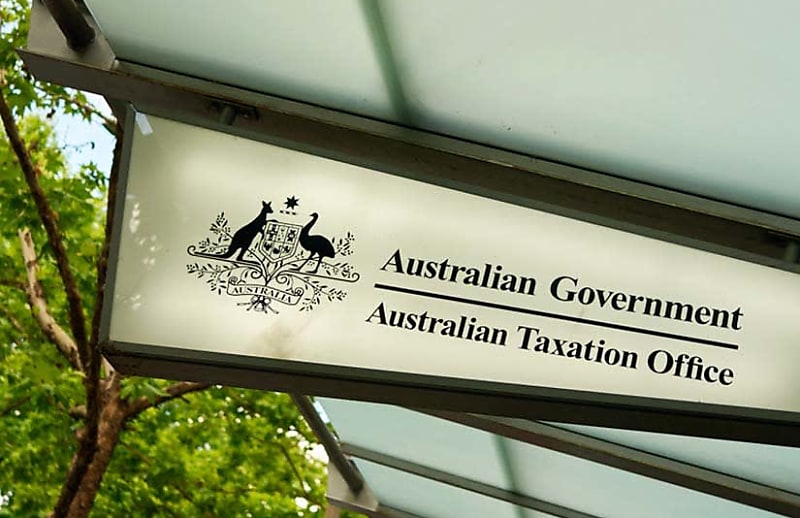
Tax professionals who operate under contingency fee arrangements have been warned by the Tax Office that their clients are at heightened risk of ATO review.
In a recent update, the Tax Office said some tax professionals were advising taxpayers to claim refunds they may not be entitled to and charging fees based on a percentage of any refunds received, with no other fees charged.
"While contingency fees are legal, this fee structure can indicate a refund claim is at higher risk of being incorrect and could attract our scrutiny," the Tax Office said.
"If we identify that you're not entitled to the refund, we'll require you to repay any over-claimed amounts along with any financial penalties we may impose."
The ATO said it was particularly concerned about contingency fee arrangements in which tax professionals encourage historical refund claims without ensuring that taxpayers have the necessary supporting information to substantiate the claim.
Other common warning signs of aggressive tax planning include promises of guaranteed tax savings, complex structures with unclear benefits, and failure to verify facts or examine documentation before making a claim.
The Tax Office is also concerned about specialist advice that is not tailored to the specific circumstances of a claim and tax professionals placing pressure on clients to act quickly.
The ATO said it had seen examples where tax professionals who charge contingency fees have approached taxpayers about potential refund claims relating to GST, the research and development tax incentive (R&DTI) and fuel tax credits.
These tax professionals claimed they could secure substantially higher GST refunds, sometimes relying on broad estimates with limited supporting evidence and, in some cases, contrary to established ATO views.
Some tax professionals also made offers to assist with R&DTI claims, often through unsolicited contact.
"In many cases, the tax professionals provide limited or no advice to the taxpayer on their eligibility, or their record-keeping and substantiation obligations," the ATO said.
Other tax professionals have claimed that the taxpayer has missed out on claiming their full fuel tax credit entitlements in previous years and encouraged them to make inflated and unsubstantiated claims for those prior periods.
"We're also aware of situations where taxpayers have been advised we've endorsed their position and that amending prior claims will not be scrutinised," the Tax Office said.
"Approaches of this kind can place taxpayers at heightened risk of review by us, which may lead to amended assessments, increased liabilities, and financial penalties."
The ATO also warned that it had come across tax professionals advertising a method of accessing super to purchase a personal property using an SMSF.
"The taxpayer establishes an SMSF, which they invest with the tax professional. The tax professional then subtracts a significant percentage as their fee before transferring the remaining monies to the taxpayer, despite them not meeting any of the conditions to personally access or use their super."
"Illegal early access to super will cost taxpayers a lot more than the super withdrawn and may lead to significant financial consequences and lost retirement savings."
The Tax Office cautioned that where it sees early indicators of potential misconduct by tax professionals, it will engage promptly with partner regulators, such as the Tax Practitioners Board, to support timely intervention and the integrity of the system.
 Want to see more stories from trusted news sources?
Make Accountants Daily a preferred news source on Google.
