


 iscover
 UNSW ‘systemic’ failures, $213,120 penalty: ‘Fundamentally a governance issue’
RegulationOnly a month after being penalised $211,200, UNSW was issued a corrected penalty for payroll record-keeping failures – a correction that was a “near impossible task”, a court has said.
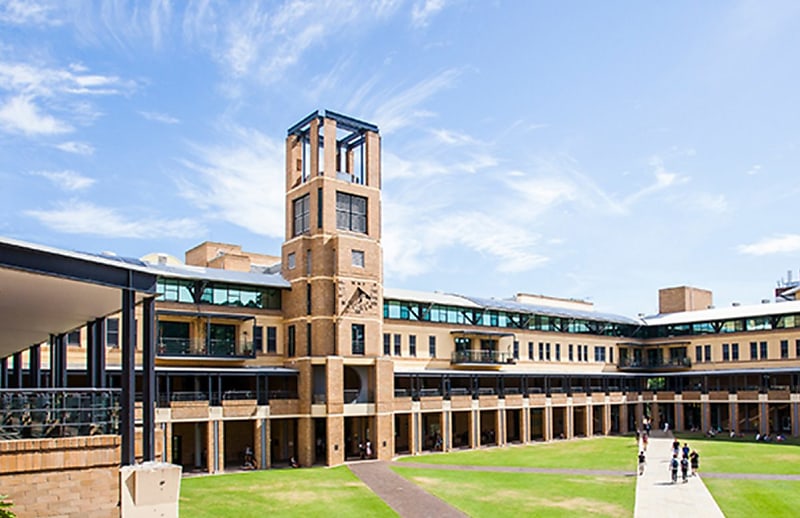
After commencing legal action against UNSW in 2023 and securing $211,200 in penalties last year, the Fair Work Ombudsman came out with further victory after penalties were “revised … to reflect the correct penalty,” the judgment said.
After securing its initial penalty against UNSW on 24 December, it has now increased from $211,200 to $213,120 in a correction made by The Federal Circuit and Family Court late last week (9 January).
Presiding Judge Brana Obradovic said in her judgment handed down late last year (24 December), that “UNSW’s failures were systemic, long-standing and long-lasting”, taking many years to rectify breaches from underpayments since discovered by the university in 2018.
In her judgment, she found: “Despite its various meetings, production of documents and information, as well as answering notice to produce, UNSW did not, at any point in time, voluntarily disclose its record keeping failures to the [Fair Work Ombudsman]”.
In a statement, UNSW said: “We deeply regret these failures in record-keeping and sincerely apologise to the staff affected.”
The university added: “Since these issues were identified, UNSW has implemented significant changes to strengthen payroll and record-keeping governance, clarify pay codes, improve training for managers and administrators, and upgrade systems to support accurate time reporting.”
Belinda Holden, payroll advisor and compliance and governance lead in people and culture at Catholic Education Sandhurst, said this case “reinforces that payroll compliance is fundamentally a governance issue, not merely an operational one”.
In Judge Obradovic’s decision, it was found that the university had not explained why “simple time sheets were not implemented as soon as the first complaint was raised, and issues about its record keeping were discovered”.
For Holden, inadequate record keeping weakened the ability of organisations to evidence compliance, respond to regulators and identify underpayments early.
As reported last week, this case arose after a tip-off to the Fair Work Ombudsman by a staff member working at the UNSW Business School in 2018. Shortly after, around $13 million in underpayments were backpaid by the university to its staff impacted by “systemic underpayments”.
The court found that UNSW’s “record-keeping failures” were due to a “lack of proper records”, meaning that the “process of calculating underpayment was rendered difficult, if not near impossible”.
“For HR and accounting professionals, the key lesson is that payroll systems, controls, and accountability must be clearly defined and actively monitored,” Holden said.
“Casual employment arrangements present heightened risk where hours, loadings, and classifications are inconsistently captured.”
“Robust record keeping, regular assurance reviews, and clear ownership across HR, payroll, and finance are essential to prevent systemic failures and regulatory penalties occurring nationally.”
The case citation: Fair Work Ombudsman v University of New South Wales [2025] FedCFamC2G 2151.
This article first appeared on Accountants Daily's sister brand, HR Leader.
 Want to see more stories from trusted news sources?
Make Accountants Daily a preferred news source on Google.