


 iscover
ATO, Fair Work Ombudsman clamp down on hospitality sector
BusinessThe ATO and the FWO conducted a series of surprise visits to hospitality businesses to stamp out those deliberately avoiding their tax obligations.
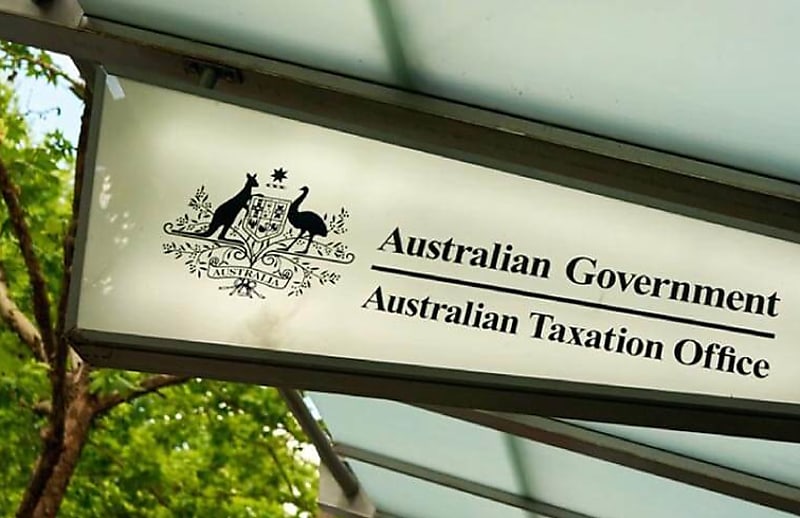
As part of Operation Resonance, the ATO and the Fair Work Ombudsman (FWO) returned to the Melbourne hospitality sector and paid surprise visits to more than 30 businesses suspected of not paying employees correctly and operating outside the tax and superannuation system.
The three-day operation in Melbourne’s CBD came after intelligence was gathered from community tip-offs, data matching, and previous compliance activities.
The visits formed a broader part of the Shadow Economy Taskforce, which the ATO said has been formed to protect “honest” businesses from unfair competition and ensure that employees receive their correct entitlements.
ATO assistant commissioner Julia Webb said the Tax Office is focused on the minority of hospitality businesses that deliberately avoid their tax and super obligations, undercutting their employees and their competition.
“Most café, restaurant, and takeaway operators work hard, compete fairly and meet their obligations,” Webb said.
“But there are still some businesses that think they can stay under the radar by hiding income, paying workers cash-in-hand or failing to meet their super obligations. Operation Resonance sends a clear message: the ATO is shining a spotlight on businesses operating in the shadows, and we're taking action.
“When businesses cut corners, it's not just the tax system that is affected. Honest competitors are put at a disadvantage, and workers can miss out on important entitlements like super.”
FWO Anna Booth said it is a priority for the FWO to ensure that employers in the food sector are paying workers all they are owed and meeting their record-keeping obligations.
“Fair Work inspectors have been on the ground in Melbourne this week checking compliance, ready to enforce the law. We have consistently found fast food, restaurant and café employers across the nation to be at high risk of non-compliance,’ Booth said.
“Stamping out underpayments in this sector remains a priority for the Fair Work Ombudsman. We know the sector engages a large number of vulnerable workers such as visa holders and young workers. To visa holder workers, including international students, we say direct – you have the same workplace rights as all other employees in Australia, and protections exist for your visa if you call out for help.
“To food sector workers in Melbourne, if you need help, we urge you to come forward for assistance. Employers – we want you to get it right in the first place and we’ve been providing education during these activities to help you meet your obligations.”
Webb encouraged employers to engage early with the ATO if they have made mistakes but warned those who deliberately avoid their obligations that the ATO is equipped with more data, intelligence, and community information than ever before.
The ATO and FWC said investigations are ongoing, while information gathered through Operation Resonance will inform future compliance action, including audits, reviews, and potential enforcement activity if serious non-compliance is identified.
The FWO has recovered more than $5.6 million for over 3,500 workers in 2025–26 in the fast food, restaurant, and cafes sector, it said.
RSM partner, international tax and transfer pricing leader Liam Delahunty spoke to Accountants Daily about the need to crack down on the shadow or black economy, where tradespeople and others offer discounts to customers if they are paid by cash in hand and therefore do not pay the GST or income tax.
He said it would be more effective to curb these practices to generate revenue through tax instead of setting the corporate tax rate at 30 per cent, which he added would make Australia uncompetitive globally.
“The black economy generally is a huge part of the untaxed segment of the Australian economy,” Delahunty said.
“If you want to get a bit of money, going after that would be a far more productive and helpful means of ensuring that Australia is not having to rely on other forms of taxation. There's a significant focus on overwhelmingly compliant business in Australia while the shadow economy allows tax evasion to continue unchecked.
“The government should consider clamping down on the significant loss to the tax base from the black economy.”
 Want to see more stories from trusted news sources?
Make Accountants Daily a preferred news source on Google.
