


 iscover
ATO denies using AI for taxpayer obligations
BusinessThe Tax Office has said it does not use AI to make compliance decisions or determine a taxpayer’s obligations, as a tax specialist questioned how it is able to issue more than 84,000 DPNs in one financial year.
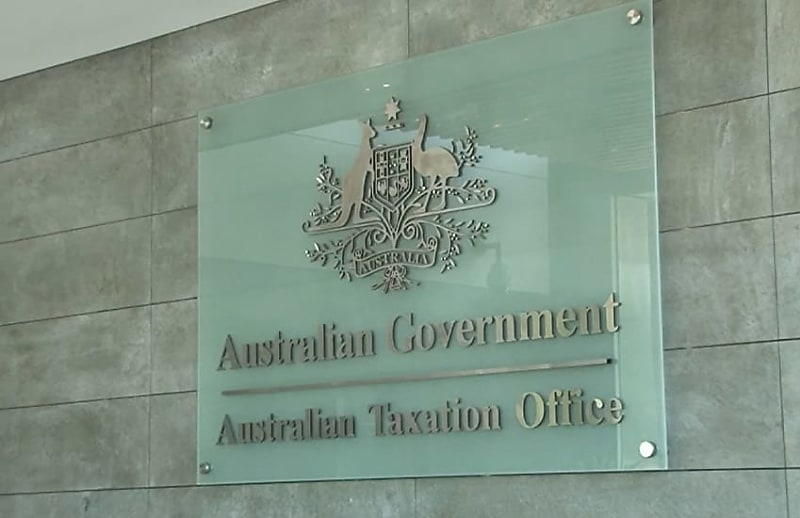
The ATO was recently grilled in Federal Parliament over alleged data matching failures for superannuation guarantee charge (SGC) letters that reached the shadow treasurer. Second Commissioner of Taxation Jeremy Hirschhorn admitted to the committee that the ATO has used “what would be described as AI for decades”, but underscored that this AI is separate from its data matching.
With Tax Ombudsman figures showing that the ATO issued more than 84,000 director penalty notices (DPNs) in the 2024–25 financial year for unpaid taxes or superannuation charges, Accountants Daily questioned the ATO on how it was able to send such large numbers of DPNs in a single year.
An ATO spokesperson told Accountants Daily that it does not use automated decision-making on superannuation guarantee (SG) assessments or penalties, including DPNs.
“The ATO has been using advanced analytics and machine learning models as part of how we administer the tax and super systems, long before generative AI,” the spokesperson said.
They continued that these tools help identify potential errors, under-reporting, unusual claims, fraud, and other compliance risks. They do this by analysing tax returns alongside information reported by employers, financial institutions, government agencies, and other third parties.
“The ATO does not use AI to make compliance decisions or determine a taxpayer’s obligations,” the spokesperson said.
“The ATO’s AI transparency statement states that: ‘decision-making that adversely impacts taxpayers’ rights will always be made by a human. Taxpayers have a right of review of our decisions. Their rights apply regardless of the technology we use to help us make those decisions’.”
Accountants Daily recently spoke to Saby Group & Co. managing director Nitin Saby, who quizzed how the ATO had the resources to issue such large numbers of DPNs in one year and whether it used an automated system or AI to do it.
“I worked at the ATO for 15 years. I never saw this level of activity where DPNs were sent out in bulk. When I was at the ATO, it would take an hour to write one letter. We didn’t have resources designated to issue DPNs. Surely, they’re doing data matching.”
New research, produced by Accountants Daily in partnership with Accountancy Insurance, found that the majority of accountants think that the ATO has become somewhat or significantly more aggressive in its enforcement or compliance approach.
Nearly one in two accountants said they had more than 10 clients contacted by the ATO in the last quarter.
At the Federal Parliament hearing, the ATO provided information on its data matching systems after shadow treasurer Tim Wilson expressed outrage over the systems, which it uses to justify sending SGC letters.
Accountants have previously raised questions over many SGC “nudge letters”, which threatened a risk of audit unless the small business owner paid or proved that the ATO’s data was incorrect.
A nudge letter viewed by Accountants Daily that was issued to one small business owner had the heading: “Your data shows you may not have met your quarterly super guarantee (SG) obligations.”
The letter informs the recipient that they may need to lodge an SGC statement and “pay now”.
According to the letter, the recipient is responsible for any incorrect information that the ATO provides in the letter.
The ATO spokesperson told Accountants Daily that a nudge letter is not an assessment of SG and does not impose penalties or automatically escalate to an audit.
“The purpose of these nudge letters is to encourage employers to review their own records to confirm whether there is any unpaid super for their employees,” the spokesperson said.
“Matching the data an employer provides to the ATO through Single Touch Payroll (STP) reporting with the data super funds report to the ATO that identifies employer contributions being made to employee accounts allows the ATO to identify potential cases of unpaid super. Where this data matching indicates that there could be unpaid super, the ATO may send an SG nudge letter to the employer.”
Either way, the ATO will work with them to determine if they have an outstanding SG liability, and if they do, the amount of that liability, the ATO spokesperson said.
They also explained that if a company does not pay certain liabilities by the due date, the ATO can recover these amounts from current or former company directors personally. DPNs could apply to unpaid SGC, PAYG withholding, and GST debts.
“Directors may still be personally liable under the director penalty regime after a company enters liquidation,” the spokesperson said.
They added that DPNs typically come after initial engagement with a company has failed to resolve the debt.
“Generally, a company will be subject to a number of ATO actions, including reminder letters, phone calls, and other notifications, before action is taken on the individual director to recover outstanding debts,” the ATO spokesperson said.
The ATO considers a range of factors before issuing DPNs, including the company’s lodgement and payment compliance history, indicators of deliberate phoenix activity, and circumstances that indicate hardship or vulnerability.
 Want to see more stories from trusted news sources?
Make Accountants Daily a preferred news source on Google.
