


 iscover
 ATO will stop accepting credit cards from December
BusinessThe Tax Office has announced it will stop accepting credit cards as a payment method after 30 November 2026.
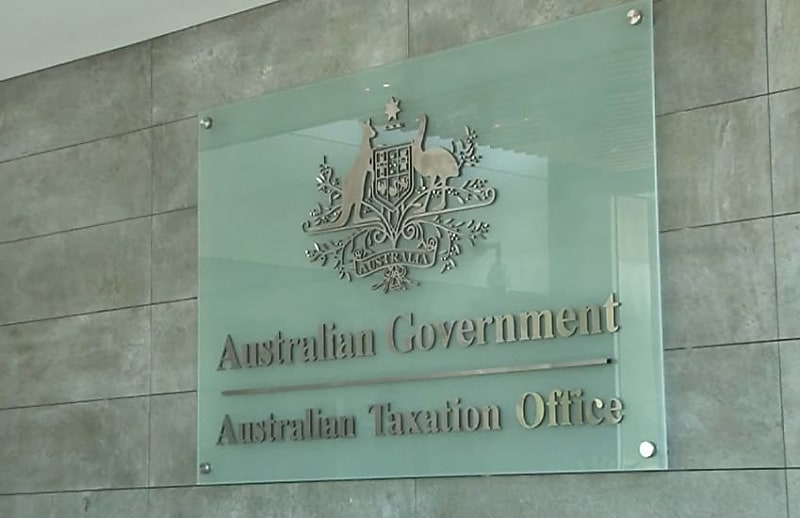
The ATO said in a statement that, as a government agency, it has decided that it would not be appropriate for the cost of credit card merchant fees to be transferred to the community.
The move followed the Reserve Bank of Australia’s Review of Merchant Card Payment Costs and Surcharging, following which it concluded that “it is in the public interest” to scrap surcharging for all designated card networks from 1 October 2026 (including EFTPOS, Mastercard, and Visa).
The ATO noted that the vast majority of taxpayers are not paying their tax with a credit card, with around 2.3 per cent of tax payments made via this method in 2024-25.
More than 60 per cent of card payments were being made by privately owned and wealthy groups and public and multinational businesses.
Nevertheless, the ATO said it recognised that some taxpayers were currently relying on credit card payments to manage their tax payments and understood that this change may require some adjustments.
As such, it said it is writing directly to those who currently have a payment plan linked to a credit card to explain the changes and the steps they need to take.
“The ATO is committed to helping taxpayers transition to alternative payment methods and will continue to support those experiencing financial hardship or other circumstances that make it difficult to meet their obligations,” it said.
Taxpayers with a direct debit arrangement linked to a credit card will need to update their payment method before their next instalment due after 30 November 2026 to ensure compliance with their payment plan, the ATO flagged.
It said there are alternative payment options available for taxpayers, including direct deposit, direct debit from a debit card, direct debit from an Australian cheque or savings account, Government EasyPay, in person at Australia Post, by mail, or international money remitter.
Earlier this year, the RBA said it was reviewing its regulation of card payments and surcharging in a bid to save consumers $1.2 billion a year.
It released a consultation paper proposing the removal of surcharges on all designated debit, prepaid, and credit card systems to boost competition and efficiency in the payments system.
Following the announcement that surcharging would be removed, the RBA released responses to frequently asked questions, in which it said businesses will still incur costs when accepting card payments after surcharging is removed.
It said those costs can be reflected in a business’ overall pricing rather than charged as a separate surcharge, adding that this is in line with consumer preferences for sticker prices to be all-inclusive.
The RBA also suggested that businesses could review whether they are on the best payment plan for their payment needs and shop around for different payment service providers to lower their payment costs.
Businesses that wish to direct consumers towards other payment methods can do so by providing discounts instead of using surcharges, the central bank said.
Earlier this year, the Council of Small Business Organisations Australia (COSBOA) pushed back against the RBA’s decision to ban payment card surcharging, and warned that the charge would place additional pressure on small businesses if proposed interchange fee reductions were not passed on in full and the cost savings flowed through to them.
 Want to see more stories from trusted news sources?
Make Accountants Daily a preferred news source on Google.
