


 iscover
 RBA makes cash rate call after stronger than expected inflation data
BusinessThe RBA has revealed its latest interest rate decision after recent data indicated that underlying inflation is running well above target. This announcement is brought to you by Accounting Home Loans.
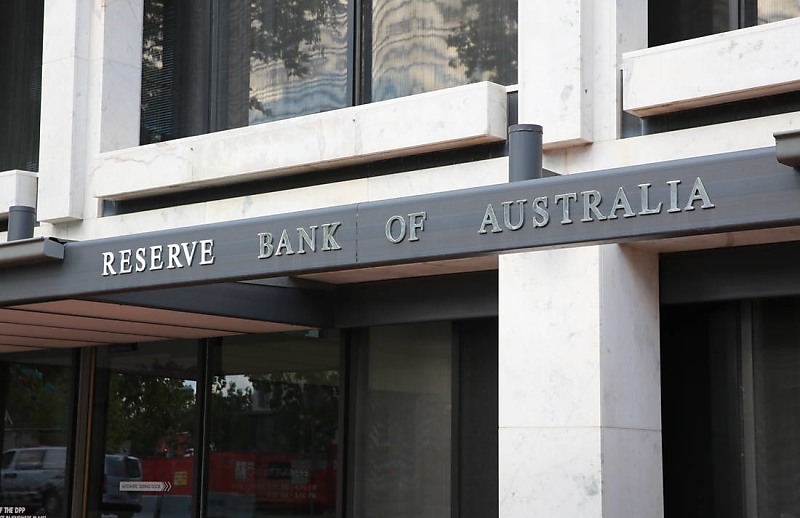
The Reserve Bank of Australia has decided to increase the cash rate target by 25 basis points up to 4.60 per cent, with the board concerned about the current inflation levels.
In its announcement, the RBA said that inflation remained elevated and that some of the upside risks flagged in August were now materialising.
"The conflict in the Middle East has broadened and global energy prices are now much higher than had been assumed in the August forecasts," it said.
It also warned that AI-related demand was driving rapid growth in global prices for technology-related goods.
"Short-term measures of inflation expectations remain elevated. And recent inflation outcomes in Australia were stronger than expected at the previous meeting," the RBA said.
In conversation with Accountants Daily, Accounting Home Loans director of sales Cullen Haynes said today’s cash rate hike was “not the outcome we had hoped for, but [was] anticipated”.
“Every 25-basis point (0.25 per cent) increase adds approximately $161 per month to repayments on a $1 million mortgage and can reduce borrowing capacity by around $30,000 to $40,000,” he said.
While inflation eased slightly in July, Haynes continued, it remains above the RBA’s target range.
“The path for future rate movements will continue to depend on how inflation develops, so there is still some uncertainty around what comes next,” he said.
AMP chief economist Shane Oliver said it may now take longer to return to the underlying inflation target than the RBA forecast in August.
“While cooling growth and the housing downturn should start to take pressure off inflation, it’s early days, and after more than five years of having inflation above target, the RBA risks further losing its credibility if it decides to extend its wait-and-see approach,” said Oliver.
University of Sydney professor of macroeconomics James Morley said the effects of the oil shock on the economy look more persistent than the best-case scenario when it first hit.
“Labour market conditions are weakening but the RBA [sees] the economy as being close enough to a level of potential such that real economy won’t be playing much role in pulling inflation down,” said Morley.
“Also, there is a general sense that the neutral rate of interest is higher than it was a few years ago due to global conditions, including in terms of fiscal profligacy.”
Morley predicted that the central bank is also likely to raise rates at the next meeting unless future data eases its concerns about inflation.
Following today’s decision, Haynes said borrowers may want to review their home loan if they haven’t already this year.
“After four rate hikes this year, your current rate may no longer be as competitive as what’s available in the market,” he said.
“Residential home loan rates are currently sitting around 5.9 per cent to 6.5 per cent, depending on the lender, loan size, LVR and borrower profile, with rates starting from 5.89 per cent. Refinancing may provide an opportunity to secure a more competitive rate, reduce repayments or access equity for other goals, depending on your circumstances,” he said.
Haynes also noted that the property market was showing signs of change, which could open up opportunities for buyers.
“National home prices have fallen for five consecutive months, with prices now below their March 2026 peak,” he said.
“Increased listings, longer selling times and greater vendor discounting are also giving buyers more room to negotiate. For those looking to enter the property market, these conditions may create more opportunities to find the right property and negotiate on price.”
 Want to see more stories from trusted news sources?
Make Accountants Daily a preferred news source on Google.
