


 iscover
 Majority of NSW businesses already feeling impacts from Middle East conflict
BusinessThe NSW Small Business Commissioner says 85 per cent of businesses in NSW are already experiencing impacts, including rising fuel and energy costs and changes to supply chains.
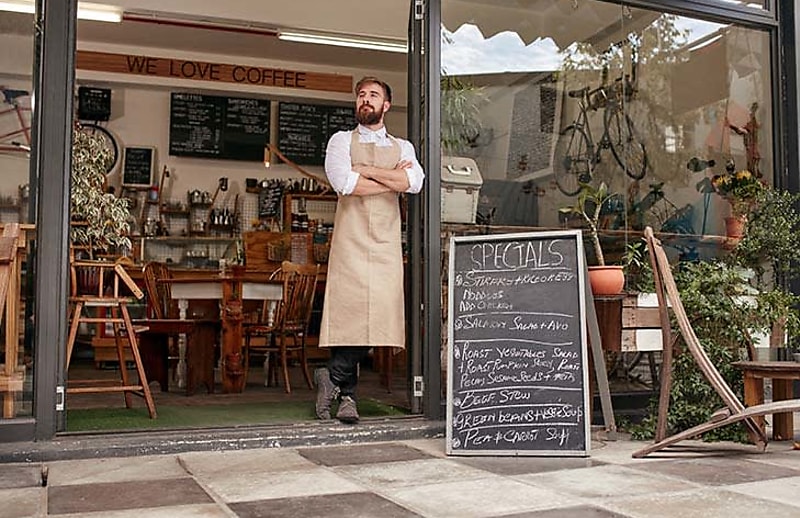
The majority of businesses in NSW have reported that they are currently experiencing impacts from global market volatility or international conflict, according to the latest Small Business Momentum Survey by the NSW Small Business Commissioner.
The survey indicated that 85 per cent of businesses were currently experiencing changes to fuel and energy prices, input costs, freight costs and supply chains as a result of the recent conflict.
One in 10 businesses reported no current impact, while the remaining 5 per cent said they were unsure.
Almost nine in 10 businesses, or 88 per cent, reported expecting impacts from global market volatility or international conflict in the coming weeks or months.
More than half of all businesses, or 63 per cent, said that conflict and global volatility had already had or were expected to have a major or severe impact on their operations. Around 31 per cent of businesses were concerned about severe impacts, including threats to business viability from major cost increases or supply disruptions.
Approximately one in four businesses, or 23 per cent, reported that impacts on their business were currently moderate and expected to remain moderate, including noticeable cost increases or supply delays affecting operations.
One in 12 businesses reported only minor or negligible impacts, such as small cost increases or disruptions with limited operational impact.
A small minority, or 5 per cent of businesses, indicated there was no impact from the conflict on their business.
The proportion of businesses in regional and rural NSW reporting severe or major impacts from global market volatility or international conflict, whether already experienced or expected, was significantly higher than in Greater Sydney, at 68 per cent and 59 per cent respectively.
The March results also showed a significant decline in sentiment overall across small businesses in NSW.
Confidence in individual business prospects fell to 22 per cent, the second-lowest level recorded since the survey began in 2020, and below levels seen during the pandemic, according to the survey report.
“These declines coincide with ongoing inflationary pressures, higher interest rates, rising fuel and energy prices and conflict in the Middle East,” the report read.
“Confidence levels in 2026 remain weak compared to previous years, and sentiment continues to be volatile, with trading conditions remaining challenging for small businesses."
The main issues weighing on business confidence included rising operating costs, declining consumer demand, interest rates, staffing challenges, compliance burdens, cash flow pressures and global uncertainty and conflict.
Expectations about profitability also declined, falling by six percentage points to 9 per cent, from 15 per cent in February.
The Small Business Commissioner said business concerns are rapidly changing, with restocking and obtaining supplies rising by 13 percentage points between February and March, from 32 per cent to 45 per cent.
“The last time concerns about supply chains were above 40 per cent was in June 2023. At the same time, concerns about the level of customer demand have also increased significantly, rising by 10 percentage points from 65 per cent in February to 75 per cent in March, a record high,” the survey report read.
“These changes in small business concerns coincide with rising interest rates, increasing fuel and energy costs and conflict in the Middle East.”
 Want to see more stories from trusted news sources?
Make Accountants Daily a preferred news source on Google.
