


 iscover
 $20k in compensation won after worker was made redundant for exposing tax debt
BusinessA worker who uncovered $250,000 in company tax debt was made redundant by her insolvent employer despite winning hundreds of thousands in funding over her four-year service.
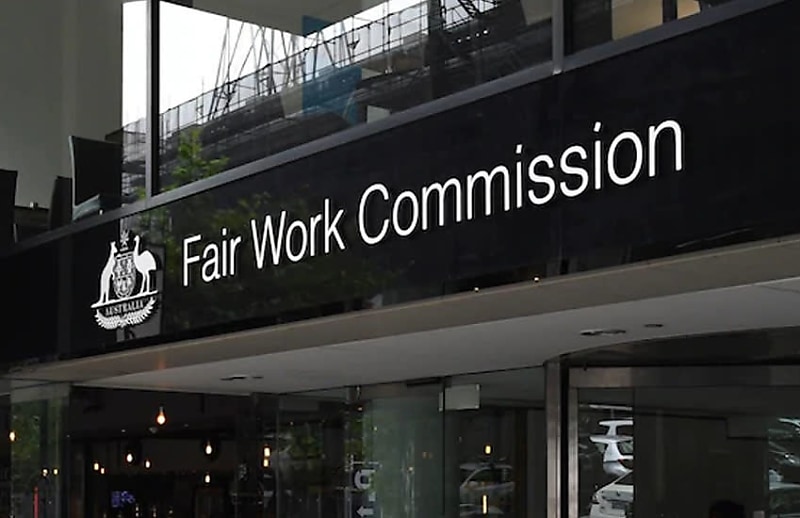
After securing $500,000 in government funding for her employer, an executive manager was sacked after she came across accounting failures, including unpaid super and a $250,000 tax debt.
The employee was made redundant by the company’s voluntary administrator on 23 April 2025 after four years with the company, and she subsequently applied for an unfair dismissal remedy on 25 April 2025.
After the case went to a hearing, it failed in a 4 August 2025 decision, but was remitted by the full bench following an appeal.
In her 23 March 2026 decision, Fair Work Commission deputy president Judith Wright determined that the redundancy was not genuine, arose while the employee was unwell, and was due to circumstances to which the employee was blameless. The employee was receiving workers' compensation for psychological injury at the time. After accepting her unfair dismissal application, Wright ordered her employer to pay her $20,141.90 gross plus superannuation, less taxation, in compensation for lost wages.
Leesa Zaicos commenced employment with Tamworth Dementia Respite Service (TDRS) on 22 March 2021, and at the time of her dismissal, she was the executive manager of TDRS. Zaicos has had 25 years of experience in aged care and is a qualified nurse.
TDRS is a social service provider based in Tamworth, NSW, that supports participants aged 65 years and over with dementia and their carers. It has operated with a manager since 1987, and at the time of Zaicos’ dismissal, TDRS had a manager and four staff members who serviced 20 clients and carers.
“During her employment, Mrs Zaicos secured increases in funding which effectively doubled TDRS’ operational budget and led to an expansion of services,” the commission said.
Zaicos developed a pilot outreach service model and implemented it in the town of Quirindi. Following the program's success, she secured a total of $500,000 once the service was established in Quirindi and began operating permanently one day a week.
Financial issues
In 2024, Zaicos became aware of a company-wide superannuation and taxation payment backlog after staff tipped off the company about not receiving superannuation payments. The TDRS board refused to act after she reported this.
Despite the TDRS board meeting every two weeks, Zaicos said they did not provide much guidance to her as an executive manager.
Zaicos discovered that the company accountant failed to pay superannuation and GST between 2020 and 2023, and uncovered a company tax debt of $248,164.90. She immediately instructed the company solicitor to appoint a new accountant.
Zaicos found that her responsibilities increased to five days a week after she identified the company’s debts. Shortly after, she reported suffering from psychological injury after having to deal with the financial stress of these debts and was medically certified unfit for work for a period of one month from 4 April 2025; this was extended as she continued to suffer from this injury for a further eight months, receiving workers’ compensation payments from April to November 2025.
“Because of TDRS’ large debt to the ATO, it was essentially operating insolvently,” the commission said.
After this revelation, TDRS appointed a voluntary administrator to manage the company’s assets and keep it in operation. The administrator determined that Zaicos’ salary was commercially unviable and the company was not in a position to maintain her employment.
Thus, the administrator on behalf of TDRS made Zaicos redundant on 23 April 2026, while she was still receiving workers’ compensation payments and was absent from work.
Although the administrator gave evidence that Zaicos’ redundancy was a result of a genuine restructure, Wright determined that she was blameless in relation to the circumstances of her dismissal, as it had arisen from the mismanagement of her employer’s accountant, not her reporting on the debts.
The FWC ruled that the committee had full responsibility for the circumstances leading to Zaicos’ dismissal and stressed that TDRS failed to consult her before taking action on the redundancy.
Upon consideration of all evidence, the deputy president determined that the redundancy was invalid and the dismissal was unfair, accepting Zaicos’ application. As compensation for lost wages, the commission ordered TDRS to pay Zaicos $20,141.90 gross plus superannuation, less tax.
The case citation: Leesa Zaicos v Tamworth Dementia Respite Service Inc (U2025/5143).
 Want to see more stories from trusted news sources?
Make Accountants Daily a preferred news source on Google.
