


 iscover
 CA ANZ’s professional indemnity scheme under PJC microscope
BusinessGreens senator Barbara Pocock has questioned CA ANZ in the Senate regarding the application of its professional indemnity scheme to non-accountant “affiliate” members.
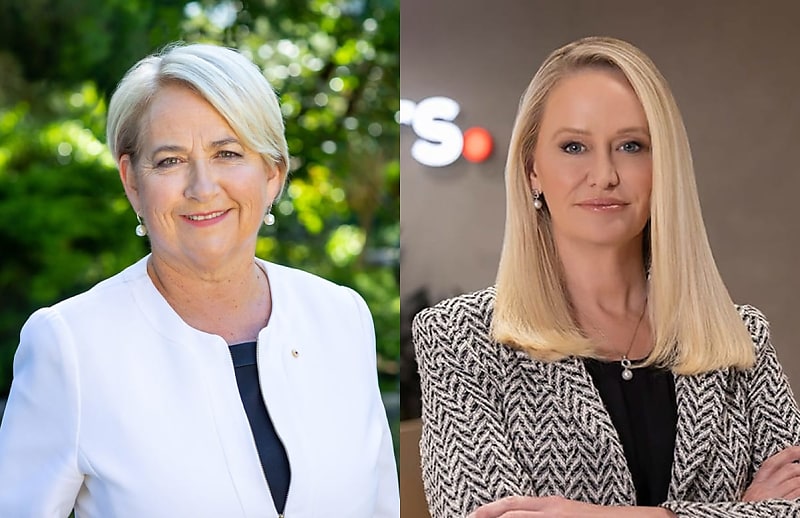
During the Parliamentary Joint Committee (PJC) on Corporations and Financial Services hearing last Friday (20 March), senator Barbara Pocock pressed CA ANZ about its disciplinary approach towards large firms.
She grilled the industry body about the inclusion of non-accountants in its professional liability scheme, highlighting public interest litigation launched in February by KPMG whistleblower Brendan Lyon against CA ANZ and the Professional Standards Council (PSC).
The NSW Supreme Court case sought to challenge the inclusion of non-accountant “affiliate members” in the professional liability scheme that CA ANZ administers. Lyon argued that the scheme allowed consultants to benefit from legal liability caps afforded to chartered accountants, despite not being required to adhere to accounting standards.
“I understand that a public interest case has been brought in the New South Wales Supreme Court seeking to remove affiliate members and category three services from the accounting scheme,” Pocock said.
“If that occurred, the accounting scheme would, I understand, continue to apply only to qualified accountants, but cease coverage of unqualified consultants and consulting services, principally affecting those in the Big Four.”
When asked about the litigation, chief executive Ainslie van Onselen confirmed that CA ANZ would defend the matter alongside the PSC, arguing that the professional standards legislation was in place to protect consumers. The litigation would be funded through CA ANZ’s operating expenses.
“The fundamental aim of professional standards legislation is consumer protection,” van Onselen said.
“Affiliates work across firms of all sizes and including them in our scheme achieves two things. First, it holds more professionals to a higher standard, and secondly, it protects more consumers who may need access to compensation through mandatory professional indemnity insurance.”
Delving into CA ANZ’s disciplinary procedures for large firms, Pocock also questioned how many of the accounting body’s inquiries into member conduct had led to disciplinary sanctions.
CA ANZ’s general counsel and group executive, Vanessa Chapman, said that over the 13 months to 31 December 25, there were 334 complaints lodged against six large firms: PwC, KPMG, EY, Deloitte, RSM and Findex. Of these, there were 203 cautions issued, four consent orders entered into, 87 professional reminders issued, and no further action in 16 cases.
A further six matters went through to the appeals council, resulting in the termination of one member, the suspension of three members and the censure of another member, with fines in relation to two matters. A number of matters were not investigated due to deficiencies in the complaints themselves.
The two fines, van Onselen confirmed, related to former PwC managing partner Tom Seymour and the firm PwC itself.
“In your experience, is this the only instance published or unpublished in which a member of the Big Four, an affiliate member, or otherwise from a big firm has been disciplined by CA ANZ?” Pocock said regarding Seymour’s case.
Chapman responded by highlighting that over the past 5 years, 24 affiliate members had had complaints made against them. Ten of these were lodged by third parties, eight were self-reports, and six were complaints initiated by CA ANZ’s PCC on information they had about an affiliate.
Of these, 14 investigations were conducted, resulting in nine cautions, two consent agreements, and one referral to the disciplinary tribunal, which was ongoing.
Van Onselen added that, out of CA ANZ’s 140,000-strong membership base, there were only 2,261 affiliates, constituting less than 2 per cent of the membership.
In his litigation, Brendan Lyon argued that the inclusion of consultants in CA ANZ’s professional liability scheme meant that big four firms had not been appropriately penalised for their role in scandals such as Deloitte’s AI-generated report debacle and the PwC tax leaks scandal, which spurred additional compliance obligations for individual tax agents.
“The inclusion and protection of anyone who's not a chartered accountant and the provision of any service that's not accounting within a professional scheme that is legitimised on the basis of the professional discipline and standards of the accounting profession is clearly ludicrous,” Lyon previously told Accountants Daily’s sister brand, Accounting Times.
“It's an incredibly powerful protection. It dissuades people from bringing cases where there are large damages because the returns are meagre and the costs are high and it removes the incentive.”
 Want to see more stories from trusted news sources?
Make Accountants Daily a preferred news source on Google.
