


 iscover
 Further monetary easing not a ‘done deal,’ economists say
BusinessFollowing hotter-than-expected September inflation, the RBA has made no promises about future interest rate cuts or hikes.
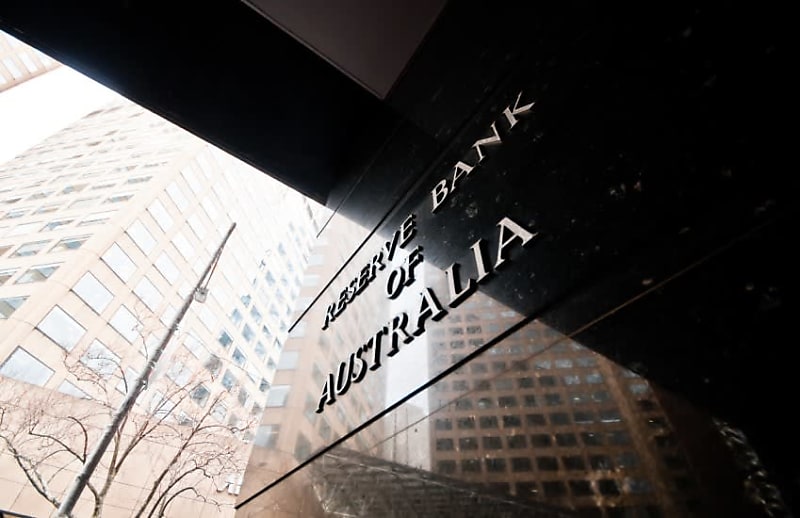
On Tuesday (4 November), the RBA Board unanimously decided to hold the cash rate steady at 3.60 per cent following a higher-than-expected September inflation reading.
In its November monetary policy decision statement, the central bank reiterated its cautious and data-dependent approach to monetary policy, noting that ongoing domestic and international economic uncertainties presented risks in both directions.
“On the domestic side, if the pick-up in private demand continues to exceed expectations, this could increase the demand for labour, add to capacity pressures and make it easier for businesses to pass on cost increases. Alternatively, the improvement in private demand might not persist,” the RBA said.
“Trade policy developments are still expected to have an adverse effect on world growth over time. Beyond tariffs, a broader range of geopolitical risks remain a threat to the global economy. This could all weigh on growth in aggregate demand and lead to weaker labour market conditions in the domestic economy.”
The board also said it was uncertain about the restrictiveness of current monetary policy settings, the lagged effects of prior easing, the labour market outlook, the size of the output gap and productivity growth prospects.
The central bank also upwardly revised its central inflation forecasts, which now see core CPI stepping outside of its 2-3 per cent target band over the medium term, climbing to 3.2 per cent from late 2025 to mid 2026 before settling back to 2.6 per cent in 2027.
“The bank's upward revision to its inflation forecasts for 2026 suggests that the Board is increasingly concerned about persistence in price pressures. While the unemployment rate forecast has ticked up slightly, it remains broadly unchanged, reinforcing the view that the labour market is likely stable,” RSM economist Devika Shivadekar said.
"Taken together, these revisions imply that the RBA will maintain a hawkish bias despite today’s pause. Any further upside surprises in inflation or evidence of sustained demand mean the Bank will be reluctant to cut rates until it sees clear signs that inflation is tracking back toward target.”
BDO chief economist Anders Magnusson said that the central bank’s updated forecasts pushed forward the expected timing of another rate cut to next year.
“The updated forecast released today by the RBA revised trimmed-mean inflation upwards for the year ahead. This pushes out the timing of the next expected rate cut well into next year, and may even mean that the next rate change is up,” he said.
RSM’s Shivadekar similarly predicted that the RBA would hold off on any further rate cuts until early 2026.
"Our base case remains that the RBA will stay on hold until February 2026, but the risk profile has shifted toward a longer plateau rather than an early easing cycle. The RBA has made it clear: it prefers a data-dependent approach over giving forward guidance,” she said.
The RBA said its current central forecasts were based on the assumption of one more interest rate cut in 2026, but Commonwealth Bank economists cautioned that further cuts were not a done deal.
“The forecasts are predicated on one more rate cut. But the Governor pushed back on the prospects of further easing in monetary policy being a done deal. The data flow from here will be crucial, particularly the inflation data.”
 Want to see more stories from trusted news sources?
Make Accountants Daily a preferred news source on Google.
